
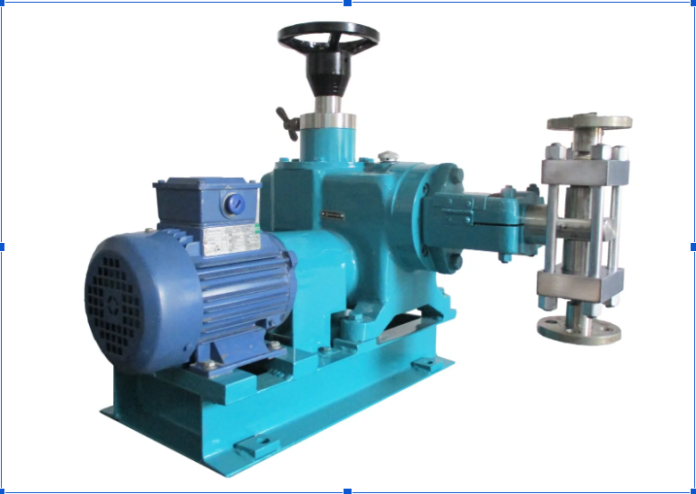
High-pressure dosing applications leave very little room for error. A pump that performs adequately at moderate pressure can behave quite differently once operating pressure climbs, making selection for these demanding systems a more careful exercise than standard dosing applications typically require. The operating environment needs to be considered as a complete system rather than focusing on the pump alone. Pressure fluctuations, process fluid properties, temperature and required dosing accuracy can all influence equipment performance. Reviewing these factors before specification helps establish requirements that are appropriate for the intended service.
Why High Pressure Changes the Selection Process
At elevated pressures, seal integrity, material strength and pulsation effects all become more significant than they would be in a lower-pressure application. A high pressure dosing pump specified without proper attention to these factors may deliver acceptable performance briefly before showing signs of premature wear or leakage under sustained high-pressure operation. High-pressure service can also place greater demands on connected pipework, fittings and instrumentation. The pump therefore needs to be considered alongside the surrounding process equipment. Understanding the complete pressure environment helps ensure that the selected configuration is suitable for both normal operation and foreseeable variations.
Key Selection Criteria to Review
- Maximum working pressure rating with an appropriate safety margin
- Seal and packing material compatibility with the process fluid
- Pulsation characteristics and their effect on downstream instrumentation
- Turndown range required across the process’s operating conditions
These criteria should be reviewed against the actual process requirements rather than relying solely on a standard product specification. For a high pressure dosing pump, the relationship between pressure capability, materials and required flow range can determine whether the equipment remains reliable throughout its operating cycle.
Why Pressure Margin Matters
Selecting a pump rated only marginally above the expected operating pressure leaves little buffer for pressure spikes or process upsets, both of which are more common in high-pressure systems than operators sometimes assume. An adequate pressure margin provides additional allowance for changes that may occur during operation, although the appropriate margin should be determined according to the specific system requirements. Pressure relief arrangements and connected components should also be reviewed as part of the overall design.
Material and Sealing Considerations
At high pressure, even minor seal degradation can lead to leakage that becomes both a safety concern and an operational inefficiency. Material selection for seals and wetted components needs to account for pressure, temperature and chemical compatibility together, rather than treating each factor in isolation. The condition of wetted components can also influence maintenance requirements and service intervals. Materials should be assessed for their expected exposure throughout the operating range, particularly where aggressive chemicals or elevated temperatures are involved. A suitable material combination can help reduce premature deterioration during continuous service.
Addressing Pulsation Effects
Pulsation from reciprocating high-pressure pumps can affect downstream flow measurement and process stability. Pulsation dampeners or careful pump selection can reduce this effect considerably, which matters particularly where accurate downstream instrumentation readings are essential to process control. The effect can extend beyond measurement accuracy, as pressure fluctuations may also influence connected equipment and process conditions. Reviewing pulsation during the specification stage allows suitable mitigation measures to be considered before installation rather than addressing the issue after commissioning.
Working With Capable Oil and Gas Equipment Manufacturing Companies
High-pressure applications benefit significantly from working with oil and gas equipment manufacturing companies that maintain genuine engineering depth in this area, since sizing and material selection for these systems require more than standard catalogue matching. Manufacturers experienced specifically in high-pressure dosing are better positioned to flag risks a general supplier might miss.
An experienced oil and gas equipment manufacturing companies team can also provide useful input on component selection, pressure requirements and material compatibility before fabrication begins. Technical discussions at this stage can help identify whether the proposed configuration is suitable for the complete operating environment rather than simply meeting a basic pressure specification.
Checklist Before Finalising Selection
- Confirm pressure rating includes adequate safety margin
- Verify seal material compatibility with the specific process fluid
- Assess pulsation impact on downstream instrumentation
- Review turndown capability against actual operating range
These checks provide a practical final review before an order is placed. They also help ensure that the selected equipment is assessed against the actual operating envelope rather than an assumed set of conditions. Documentation confirming pressure ratings and material specifications should be retained for future reference.
Additional Design Considerations
High-pressure dosing equipment may also require closer attention to installation arrangements, maintenance access and the availability of replacement components. These practical considerations can influence how easily the equipment can be serviced and how quickly issues can be addressed during operation. Where the system operates continuously, planned maintenance requirements should be considered alongside the initial equipment selection. Understanding access requirements, inspection intervals and available technical support can help project teams account for operational needs before the equipment is installed.
Conclusion
High-pressure dosing systems demand a more careful selection process than standard applications, with pressure margin, seal material and pulsation effects all deserving close attention before an order is placed. Getting these details right protects both safety and long-term reliability. NND OIL & GAS brings this depth of engineering attention to high-pressure dosing applications across demanding process systems.